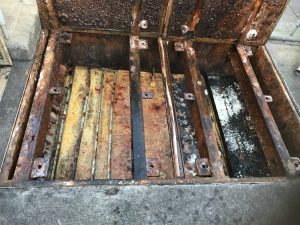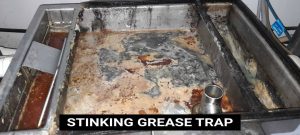


Running a commercial kitchen comes with strict hygiene, plumbing, and environmental responsibilities. One critical element in keeping everything running smoothly and legally is the grease trap.
Choosing the right grease trap isn’t just about compliance; it’s about efficiency, long-term savings, and odour control. In this guide, we’ll walk you through everything you need to know to make the best decision for your kitchen.
A grease trap, also known as a grease interceptor, is a plumbing device that captures fats, oils, and grease (FOG) from wastewater before it enters the drainage system. Without one, FOG can cause blockages, odours, and compliance violations.
Not all grease traps are made equal. The best one for your business depends on several variables:
Start by assessing:
Tip: Higher FOG output requires a larger or automated system.
There are three primary types:
Most UK and Ireland councils and water authorities require:
Always check with your local environmental officer or water company to ensure you’re compliant.
Grease traps can be installed:
Work with a professional to determine the optimal installation point.
Even the best grease trap needs cleaning. When choosing:
Pairing your grease trap with accessories can enhance performance and lifespan.
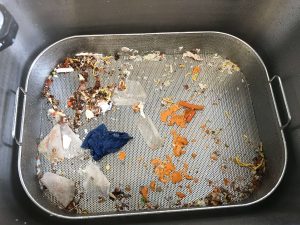
Every commercial kitchen is unique. The best way to ensure long-term performance and compliance is to speak with a specialist in grease trap supply and consultancy.
At Ecotec, we don’t just supply – we design, install, and maintain systems tailored to your exact needs. Whether you’re opening a new restaurant or upgrading your current setup, we’re here to help.
| Factor | Consideration |
| Kitchen Type & FOG Output | Fast food, bakery, full-service restaurant? |
| Trap Type | Domestic passive, commercial, automatic |
| Regulations | Check local compliance (e.g. EN 1825) |
| Space | Internal or external installation? |
| Maintenance | Manual or automatic? Support available? |
| Add-ons | Biological dosing, odour control, strainers |
Get in touch with the team at Ecotec today for a no-obligation consultation. We’ll assess your needs, recommend the best solution, and even handle the installation and maintenance.