

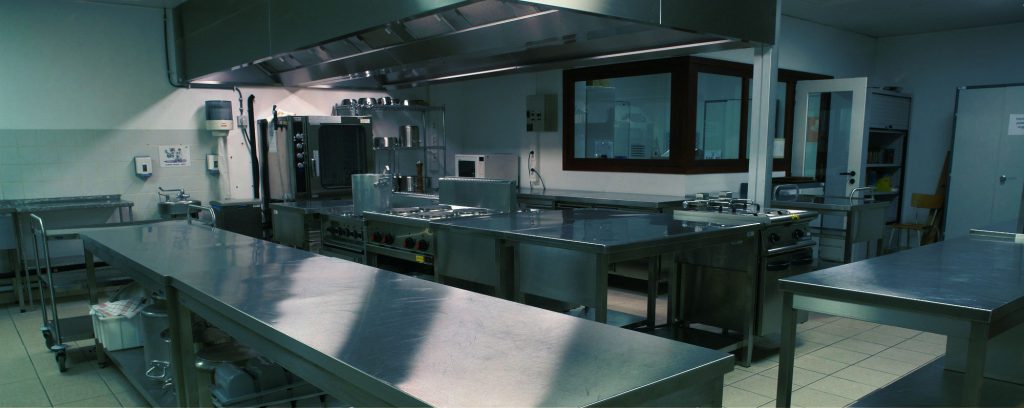
For businesses running multiple food outlets — such as hotels, food courts, universities, or restaurant chains — managing grease effectively across all sites is a growing challenge.
A future-proof grease management system isn’t just about installing a trap; it’s about designing an integrated, scalable solution that keeps every kitchen compliant, cost-efficient, and sustainable for years to come.
In this guide, we’ll explore how to design a system that adapts to growth, prevents costly failures, and meets evolving environmental standards.
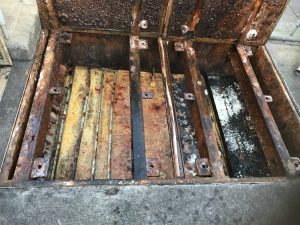
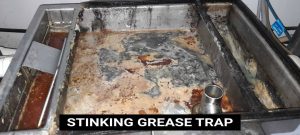
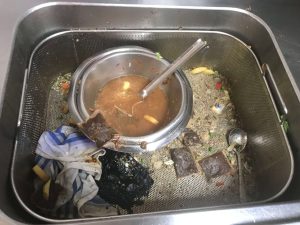
Each commercial kitchen produces wastewater containing fats, oils, grease (FOG), and food solids. If unmanaged, this waste clogs drains, causes odours, attracts pests, and violates local wastewater regulations.
Multi-outlet operations face additional complexity:
That’s why a future-proof system must be consistent, standardised, and easy to monitor remotely.
A truly effective system combines engineering, biological treatment, and smart maintenance practices.
Each outlet must have a properly sized trap that meets both usage demands and EN 1825 standards.
Oversized systems cost more but undersized ones fail faster — proper sizing ensures efficiency and compliance.
Trap placement should:
For new developments, involve grease management specialists during the design phase — retrofits cost far more.
For multi-outlet kitchens, biological dosing systems are game-changers.
Ecotec’s FIX-60™ molecular treatment neutralises odours and conditions wastewater naturally, ensuring consistent performance across sites.
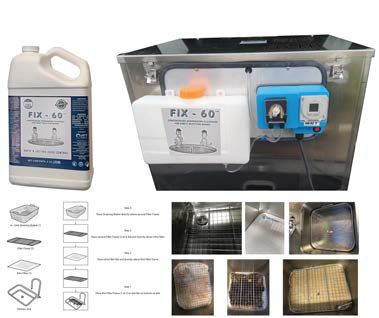
Future-proof systems must address odour proactively.
Bad odours don’t just affect comfort — they indicate bacterial activity and early system failure.
For operations managing multiple sites, visibility is key.
Cloud-based maintenance tracking helps head offices monitor compliance without visiting every site.
A future-proof system isn’t just about equipment — it’s about habits.
Uniform maintenance reduces risk and ensures compliance consistency.
As your business grows, your grease management strategy should grow with it.
Sustainability isn’t just good for the environment — it’s becoming a key compliance and brand expectation.
| Benefit | Impact |
| ✅ Reduced maintenance costs | Less frequent pump-outs and call-outs |
| ✅ Consistent compliance | Standardised FOG control across all outlets |
| ✅ Improved hygiene | Reduced odour, pests, and bacterial growth |
| ✅ Sustainability | Biological dosing lowers chemical use and waste |
| ✅ Long-term savings | Avoid costly retrofits or emergency repairs |
| ✅ Better reporting | Easier inspections and brand protection |
Even large operators make these costly errors:
Future-proofing means eliminating these weak points before they become systemic failures.
At Ecotec, we specialise in end-to-end grease management solutions designed for scalability and compliance:
Whether you manage three sites or thirty, Ecotec ensures every location operates under a unified, sustainable grease management plan.

A future-proof grease management system protects your kitchens, your budget, and your reputation. Don’t wait for costly breakdowns or compliance warnings.
Contact Ecotec today for a Grease Management Audit or to discuss scalable system design for your multi-outlet operations.