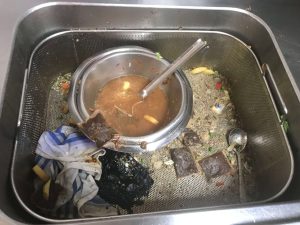
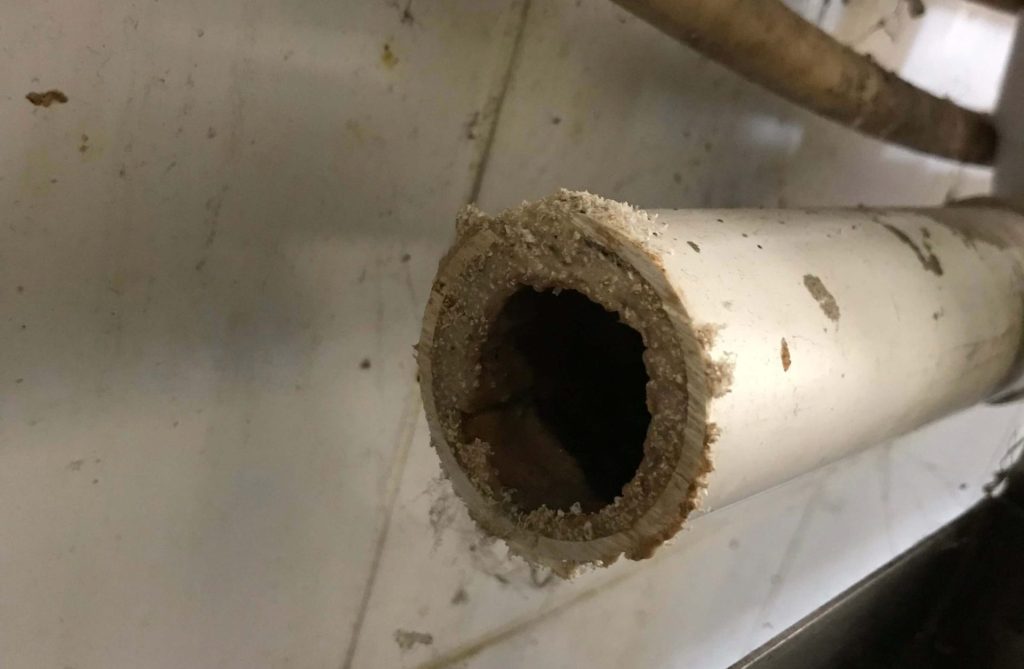
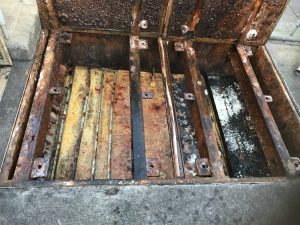
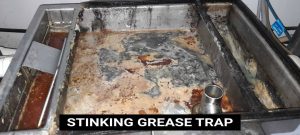
Unpleasant odours in your commercial kitchen or facility? It’s not always the bin or drain — hidden grease trap odour problems are one of the most common (and overlooked) culprits. In this guide, we’ll walk you through how to identify the real source of the smell, and more importantly, how to eliminate it for good.
Why Grease Trap Odour Problems Shouldn’t Be Ignored
Bad smells aren’t just embarrassing — they can signal serious issues such as:
- Poor hygiene standards (a red flag for health inspectors)
- Grease trap failure or overflow
- Blocked vents or dry p-traps
- Pest attraction — especially rats, flies, and cockroaches
Odours can linger for weeks and even spread to customer-facing areas, putting your reputation (and compliance) at risk.
Step 1: Identify the Real Source of the Odour
Before you pour chemicals down the drain, follow this simple checklist to isolate the problem:
Check the Grease Trap Lid and Gasket
- A damaged or warped lid allows gases to escape
- Inspect rubber gaskets and seals for wear or cracking
- If missing, the seal needs to be replaced immediately
Smell Near the Vent or Wall Outlets?
- Blocked or improperly installed vent pipes can cause odours to back up into the kitchen
- Make sure your vent stack is clear and extends above roof level
- Grease vapours should be directed away, not trapped inside
![]()
Inspect the P-Trap
- The p-trap holds water to prevent sewer gases from rising
- If the trap is dry (common in unused sinks), gases will enter the room
- Simply run water for 10–15 seconds to refill it
Are You Cleaning the Trap… But Still Smelling It?
- That likely points to biofilm build-up on internal walls
- Even if solids are cleared, bacteria remain in the corners, causing ongoing odours
- This is where biological treatments come in (more on this below)

Step 2: Use the Right Cleaning & Treatment Method
Manual Cleaning Isn’t Enough
Scraping and vacuuming the trap is essential — but won’t remove embedded bacteria or eliminate odours entirely.
Apply a Biological Grease Treatment
Ecotec recommends using an enzyme-based or microbial dosing solution designed to:
- Break down organic matter at a molecular level
- Digest fats, oils, and grease (FOG) that cause odours
- Prevent regrowth of foul-smelling bacteria
Our FIX-60™ Odour Control Formula uses patented scavenging molecules that neutralise hydrogen sulphide and other odorous gases — leaving a clean, natural aroma behind.

Step 3: Address System Design Flaws (Long-Term Fix)
Sometimes, the smell is a symptom of poor system design. Our grease trap consultants at Ecotec often find:
- Undersized grease traps that overflow too quickly
- Grease traps placed too far from source appliances
- Inadequate venting or trapped air pockets
In these cases, a professional grease management audit is essential. We’ll assess your entire kitchen setup and provide actionable design improvements.
Bonus Tips: Prevent Grease Trap Odours from Returning
- Install drain and sink strainers to reduce solids entering the system
- Avoid pouring boiling water or harsh chemicals into the trap — it can damage gaskets and kill helpful bacteria
- Schedule regular professional servicing (monthly or quarterly, depending on use)
- Use biological dosing systems with a timed release for continual treatment
Why Choose Ecotec for Odour Control & Grease Management?
At Ecotec, we don’t just clean grease traps — we help businesses build odour-free, regulation-compliant, and efficient kitchens. With decades of experience, we offer:
Get in touch with our team today for a site visit or consultation.
Let’s eliminate odour at the source — and keep your kitchen clean, compliant, and customer-friendly.