Need Assistance or Have a question?
Call the Experts 24 hours sales and service

Why a “One Size Fits All” Approach Doesn’t Work in Grease & Effluent Management

When it comes to managing grease and wastewater, many businesses make the same mistake:

They assume that one grease trap, one treatment, or one maintenance plan will work everywhere.

In reality, no two effluent streams are the same.

Different kitchens, processes, and industries produce very different types of wastewater. Applying a generic solution often leads to blockages, odour problems, compliance failures, and unnecessary costs.

This is why a tailored grease and effluent management strategy is essential.


The Problem with “One Size Fits All” Solutions

Generic grease and effluent solutions usually fail because they ignore key variables such as:

  • Volume of wastewater
  • Type of fats, oils, and grease (FOG)
  • Presence of food solids, starches, sugars, or proteins
  • Temperature and flow rates
  • Operating hours and peak usage times
  • Local discharge regulations

A solution that works perfectly for one site may be completely ineffective for another.

Not All Effluent Is the Same

Effluent composition varies widely depending on the operation.

Restaurants & Takeaways

  • High FOG content
  • Frequent surges in flow during peak hours
  • Hot wastewater that cools rapidly in pipework

Typical issues: blockages, rapid grease trap fill-up, strong odours.

Hotels & Multi-Outlet Kitchens

  • Multiple kitchens feeding shared drainage
  • Variable usage patterns (seasonal or event-driven)
  • Long pipe runs and complex layouts

Typical issues: inconsistent performance, downstream blockages, odours in guest areas. Read also: A practical perspective on hospitality kitchen odour control.

Hospitals, Schools & Institutional Kitchens

  • Large volumes of wastewater
  • Lower grease concentration but high organic load
  • Strict hygiene and compliance requirements

Typical issues: biofilm build-up, compliance documentation gaps.

Bakeries & Food Production

  • High sugar and starch content
  • Less grease, more fermentable waste
  • Warm, sticky residues in pipework

Typical issues: microbial growth, foaming, slow drainage.
Why Different Effluent Needs Different Solutions

Because effluent varies so widely, treatment methods must be matched to the waste type, not applied blindly.

Grease Traps Alone Are Not Enough

Grease traps capture FOG — but they:

  • Don’t treat downstream pipework
  • Don’t eliminate odours
  • Don’t adapt to changing waste loads

Biological Treatments Must Be Matched Correctly

Not all biological products work the same way.

Different formulations target:

  • Grease-heavy waste
  • Protein-based waste
  • Sugar and starch breakdown
  • Odour-causing compounds

Using the wrong biological treatment can be ineffective or even counterproductive.

Flow Rates & Retention Time Matter

Effluent with:

  • High flow rates
  • Short retention times
  • Temperature fluctuations

requires different dosing strategies than low-flow systems. This is where professional design and consultancy become critical.

The Role of Effluent & Grease Management Audits

A proper audit looks at the entire system, not just the grease trap.

An audit typically assesses:

  • Type and volume of effluent produced
  • Grease trap sizing and placement
  • Pipework condition and layout
  • Odour sources
  • Current maintenance practices
  • Compliance risks

This allows solutions to be designed around the effluent, not forced onto it.


Tailored Solutions in Practice

A bespoke grease and effluent management strategy may include:

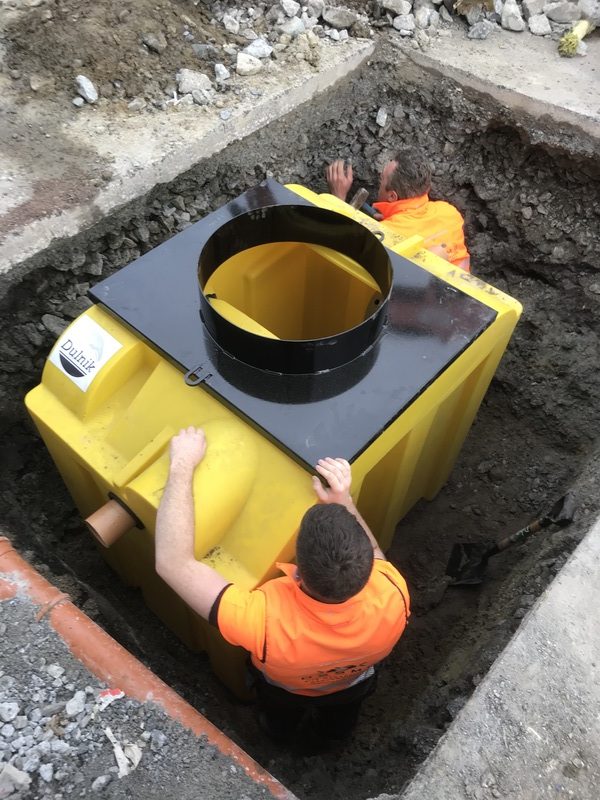
  • Correctly sized passive or automatic grease traps
  • Biological dosing systems matched to waste type
  • Targeted odour control solutions
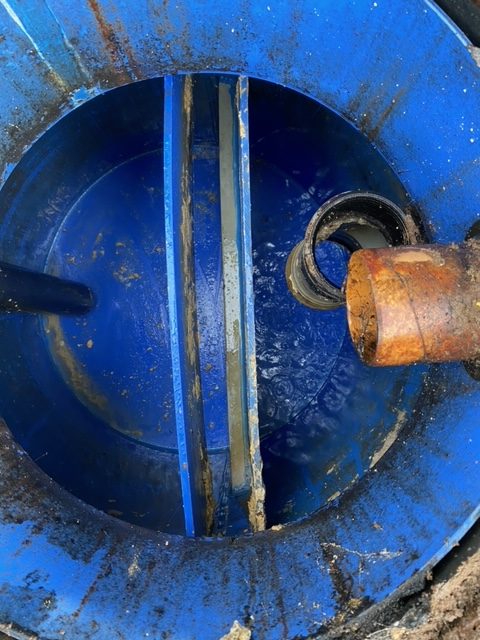
  • Separate treatment for drains, interceptors, or holding tanks
  • Custom maintenance schedules
  • Clear compliance documentation

The result is better performance, fewer issues, and lower long-term costs.

Sustainability & Compliance Benefits

Tailored systems also deliver environmental benefits:

  • Reduced chemical use
  • Improved wastewater quality
  • Lower risk of sewer blockages and pollution incidents
  • Easier compliance with local water authority requirements

Sustainability is no longer optional — and generic solutions rarely meet modern expectations.
Why Ecotec Takes a Bespoke Approach

At Ecotec, we don’t believe in off-the-shelf answers for complex effluent problems. We provide:

  • Site-specific grease and effluent audits
  • Custom system design and product selection
  • Biological treatments matched to waste profiles
  • Ongoing monitoring and optimisation
  • Clear compliance support

Whether you operate a single kitchen or a multi-site operation, our approach ensures the solution fits the effluent — not the other way around.

The Right Solution Starts with the Right Questions

If you’re dealing with recurring blockages, odours, or compliance concerns, the issue may not be your equipment — it may be the approach.

Contact Ecotec to arrange an effluent and grease management assessment and discover a solution designed specifically for your operation.