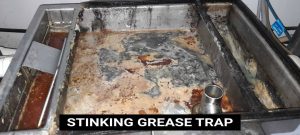
If you’ve ever walked into your kitchen and spotted a fly near the grease trap or noticed rodent droppings in the waste area, you’re not alone. Pests love grease traps — the combination of warm temperatures, moisture, and leftover organic matter makes them a perfect breeding ground.
But pests around a grease trap aren’t just unpleasant — they can lead to health code violations, bad odours, contamination risks, and reputational damage.
Here’s how to keep your system pest-free and compliant year-round.
Why Grease Traps Attract Pests
Grease traps are designed to collect fats, oils, grease (FOG) and food particles from wastewater before it enters the drainage system. Unfortunately, the same conditions that make them effective also make them attractive to pests.
Common culprits include:
- Flies and drain gnats – drawn to organic residue and moisture.
- Cockroaches – thrive in dark, damp areas near warm grease deposits.
- Rodents (rats and mice) – attracted by the smell of decomposing food waste.
- Ants and beetles – often found near poorly sealed trap lids or waste bins.
If pests are showing up regularly near your grease trap, it’s usually a sign of poor hygiene, inadequate maintenance, or improper installation.

The Risks of Pest Infestation
- Health and Safety Violations
- Local health authorities can fine or shut down businesses for evidence of pests or contaminated waste systems.
- Cross-Contamination
- Pests carry bacteria like coli and Salmonella, which can easily transfer from waste areas to food prep zones.
- Odour Amplification
- Decomposing organic matter combined with pest activity intensifies odours.
- Structural Damage
- Rodents chew through trap gaskets, wiring, and even drain pipes.
- Reputation Damage
- Customers or staff noticing pests can lead to complaints and negative reviews that hurt your business long after the infestation is gone.
How to Keep Pests Away from Your Grease Trap System
Keep Your Grease Trap Clean and Maintained
The number one way to deter pests is regular cleaning.
- Schedule routine pump-outs (monthly or quarterly, depending on use).
- Remove FOG and food waste before it decomposes.
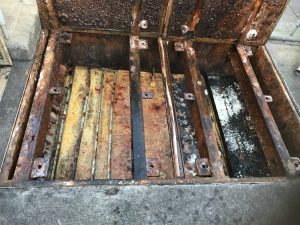
- Clean internal surfaces and seals to eliminate build-up.
- Record all cleaning activities for compliance inspections.
Tip: Partner with a professional service like Ecotec for scheduled maintenance and biological treatments.

Use Biological Grease Treatments
Biological grease treatment products help break down organic waste and eliminate odours that attract pests.
- Destroys bacteria that feed flies and gnats.
- Neutralises gases like hydrogen sulphide that draw insects and rodents.
- Keeps systems clean between services.
These treatments are non-toxic and environmentally friendly, making them perfect for food service settings.
Seal All Lids, Joints, and Access Points
Even the cleanest trap can attract pests if it isn’t sealed properly.
- Ensure trap lids fit tightly and gaskets are in good condition.
- Check for cracks or leaks around joints and inspection covers.
- Seal floor penetrations or wall gaps near the unit.
Rodents can squeeze through holes as small as 6mm — a missing lid bolt or open inspection port is an open invitation.
Keep Waste and Surrounding Areas Clean
Pests rarely come from the trap alone — they migrate from surrounding waste areas.
- Empty bins frequently and store them away from grease trap access points.
- Clean floors and walls to remove food residues.
- Avoid standing water near grease traps or interceptor chambers.
- Use sealed, pest-proof waste bins and compactors.
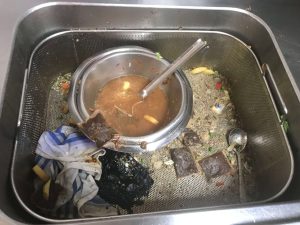
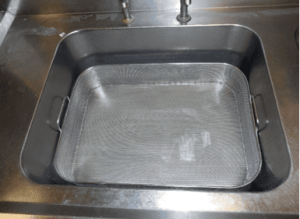
Install Sink Screens and Drain Guards
Drain screens and strainers help prevent solids and food waste from entering the trap — reducing the food supply for pests.
- Use fine-mesh strainers in sinks and floor drains.
- Clean strainers daily to avoid organic build-up.
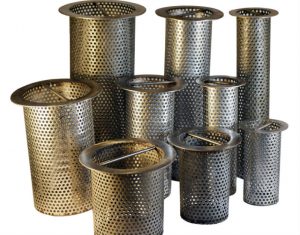
- Consider installing trap inlet guards to minimise access points for insects.


Address Odour Issues Promptly
Odours attract pests from a distance. If your kitchen smells unpleasant even after cleaning, there’s likely a deeper problem.
- Check venting systems and P-traps.
- Apply biological dosing or odour neutralisers like FIX-60™.
- Schedule an inspection to identify hidden grease accumulation or vent blockages.

Professional Pest & Hygiene Inspections
Include pest management as part of your grease management plan.
- Work with a pest control provider that understands food industry compliance.
- Combine pest checks with grease trap audits for full coverage.
- Keep service reports for environmental health officers (EHOs).
Why Prevention Beats Reaction
A reactive pest control approach — waiting until pests appear — often means you’re already non-compliant and facing higher costs.
Preventive maintenance, biological dosing, and sealing measures are far more cost-effective and sustainable in the long term.
Regular servicing from professional company like Ecotec ensures your system stays clean, pest-free, and regulation-ready.
Why Choose Ecotec
At Ecotec, we specialise in complete grease management and odour control solutions across Ireland. Our services include:
- Grease trap supply, installation, and maintenance
- Biological dosing and odour neutralising systems
- Grease management audits and compliance consultancy
- Drain and water tank cleaning
- Preventive pest-attraction mitigation through FOG control
With decades of experience in hospitality, food service, and facilities management, Ecotec helps businesses stay clean, compliant, and pest-free.

Take Action Today
Don’t wait for pests to appear before acting. Protect your business, your customers, and your reputation.
Contact Ecotec today to schedule a Grease Management Audit or to learn more about our biological odour and pest-prevention solutions.